8 Website Preparation Tips for Tour Operators Before Peak Season
During busy travel periods, your website plays a bigger role in converting interest into bookings. Visitors arrive with intent, browse on mobile, and expect a clear, friction-free experience from start to finish.
This is where cracks often show. Pages load slowly. Booking steps feel clunky. Forms fail quietly. And potential guests leave before completing a reservation.
A reliable tour operator website for peak season is not about design trends. It is about readiness. Following a proven web development and design process helps ensure your site stays fast, clear, and dependable when visitor volume increases and booking behavior shifts.
The tips below focus on practical ways tour operators can prepare their websites so higher activity leads to more confirmed reservations, not missed opportunities.
1. Audit your website before activity increases
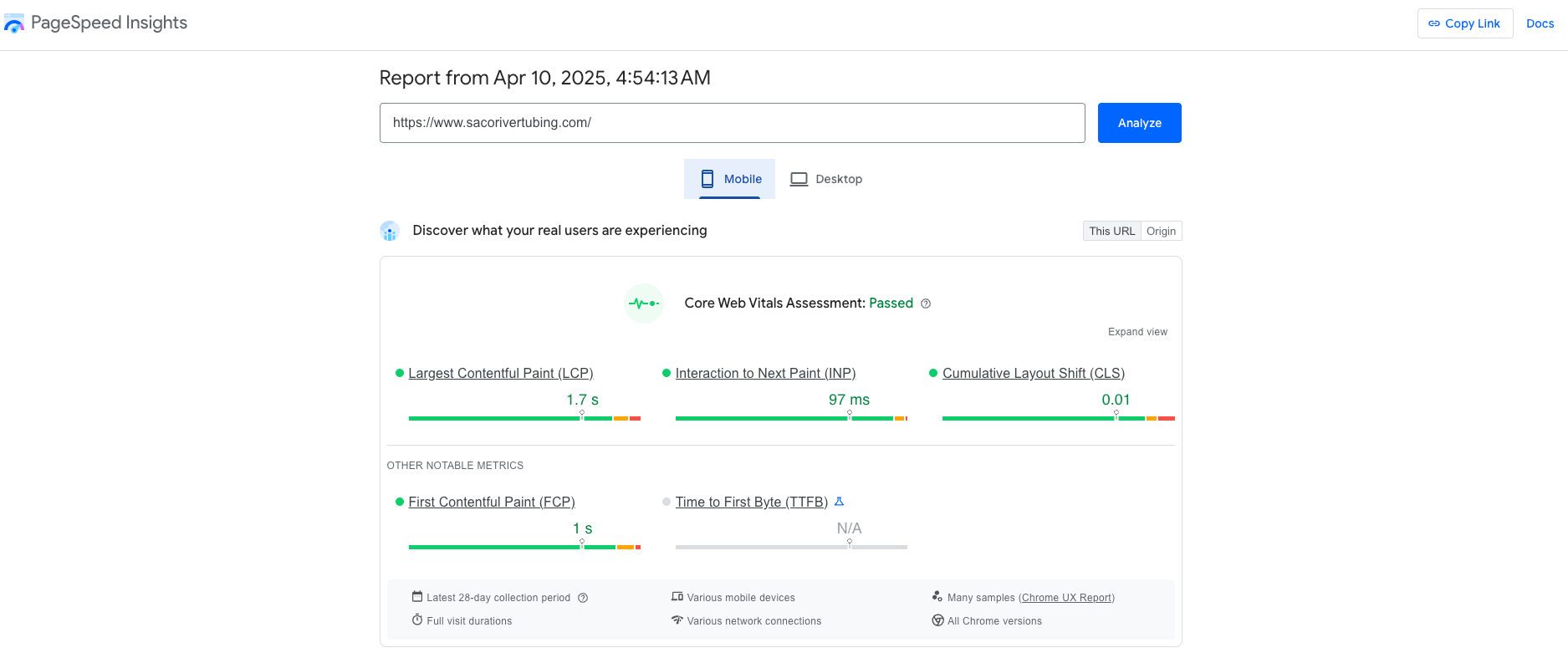
The best time to uncover website issues is before traffic spikes. A focused audit helps identify problems that only surface under heavier use.
Key areas to review include:
- Page load speed on tour and booking pages
- Mobile usability across devices
- Booking flow reliability from start to confirmation
- Inquiry forms and calls to action
Small issues often create the biggest leaks. A button that is hard to tap. A form that submits inconsistently. A checkout step that causes confusion.
A pre-season audit gives clarity. It helps operators understand what is already working and what needs attention before busy travel months begin.
2. Optimize the booking experience for high-intent travelers
Many visitors arrive with a decision already in mind. They compare options quickly and expect the booking process to feel effortless.
Your website should support that momentum.
Focus on:
- Clear pricing, availability, and next steps
- Fewer booking steps and distractions
- Trust signals like reviews, policies, and FAQs
- A mobile-first experience from browsing to checkout
A smoother booking path benefits both guests and staff. It reduces abandoned reservations and limits follow-up questions during already busy days.
Even small usability improvements can have an outsized impact during periods of strong interest.
3. Prepare your website for traffic spikes and booking surges
A high-traffic tour booking website must remain stable and fast when visitor numbers rise. This is where many sites struggle.
Preparation should include:
- Hosting that can handle sudden increases in visitors
- Performance improvements like image optimization and caching
- Booking systems tested during busy hours
When a site slows down or errors appear, guests rarely wait. They simply choose another option.
Testing performance ahead of time helps ensure your website holds up during booking surges and reduces the risk of outages or failed payments.
4. Refresh website content for seasonal search behavior
Busy travel periods change how people search. Queries become more specific and more action-oriented.
Effective seasonal website optimization for travel companies means aligning content with that intent.
This includes:
- Updating tour pages with current availability and relevance
- Improving headlines and descriptions to match booking-focused searches
- Strengthening internal links that guide visitors toward key tours
- Supporting SEO and AI search visibility with clear, up-to-date information
Search engines and AI tools prioritize accuracy and clarity. Refreshing important pages before activity increases improves visibility and helps travelers land on pages designed to convert.
5. Upgrade your website instead of replacing It
If you are already close to your busiest travel months, a full website replacement may not be the right move right now. In-season is often the time for small adjustments, not major structural changes.
In some cases, limited fixes such as improving page speed, tightening booking flows, or resolving specific mobile issues may be enough to get through the season without major disruption.
However, when there is enough lead time, a full website replacement is the better long-term solution.
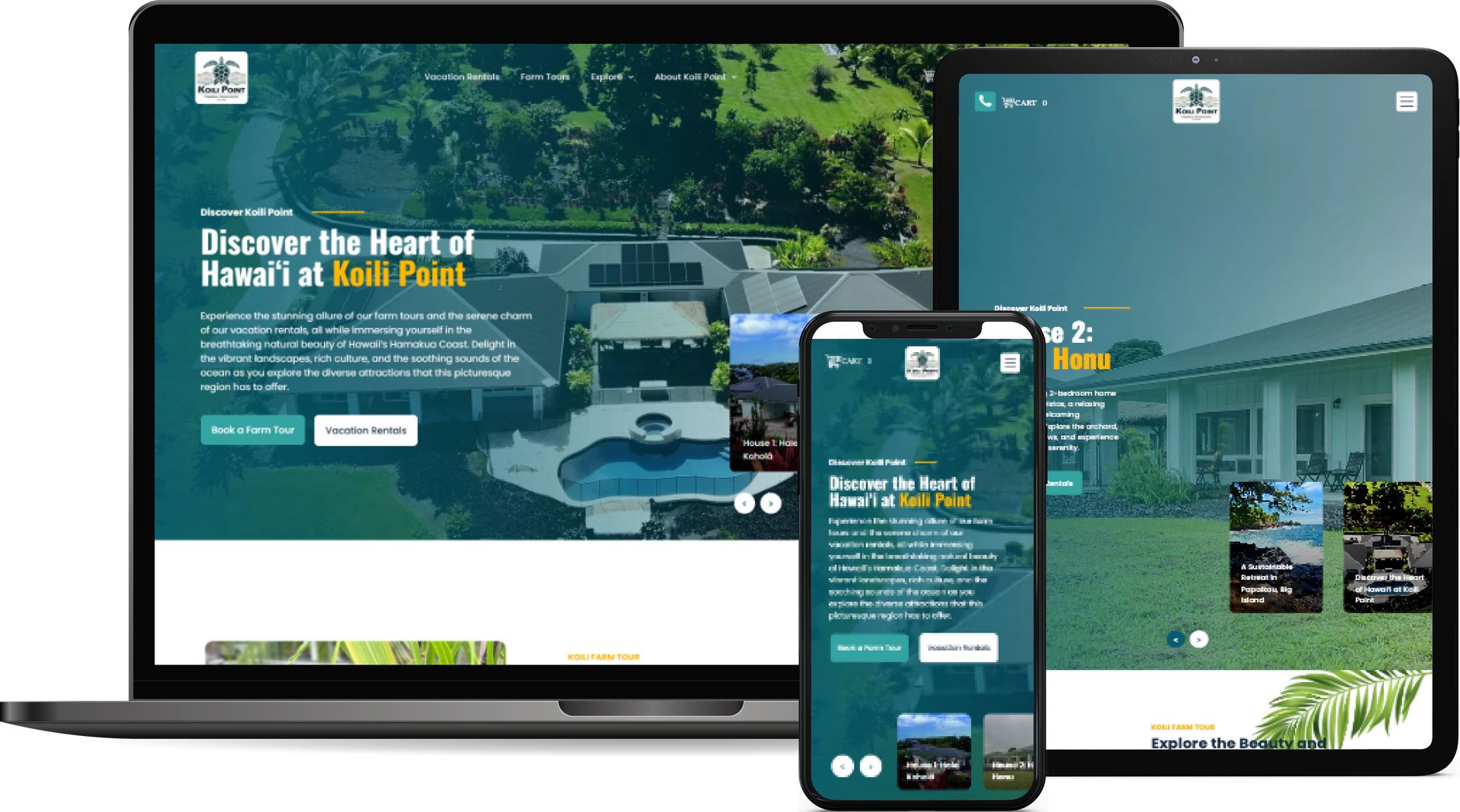
At ResmarkWeb, we typically recommend tour operators start a new website project four to six months before their busiest period. That timeline allows space to design, build, test, and refine the site properly.
This approach has proven effective in real-world scenarios, as shown in the
Four Season Guides case study, where a planned rebuild supported stronger performance during peak travel periods.
Starting early makes it possible to:
- Launch the new site before traffic increases
- Test booking flows and forms under real conditions
- Resolve issues calmly instead of reactively
- Enter busy months with confidence, not workarounds
Waiting until things slow down often means accepting missed opportunities. Starting early gives your website time to be fully ready so when your busiest season arrives, everything is already running smoothly.
6. Why tour operators lose bookings during busy travel periods
Lost bookings during active travel months are rarely caused by lack of interest. They are usually caused by website friction.
Common issues include:
- Slow pages under heavier website visitors
- Confusing navigation that hides tours
- Mobile experiences that feel frustrating
- Unclear paths from interest to confirmation
These are not failures. They are signals.
Addressing them early helps ensure your website supports your business when guests are most ready to book.
7. Want to see where your website and bookings stand?
If you are unsure where gaps may exist on your own site, you may want a clearer snapshot of how your website, bookings, and marketing are working together.
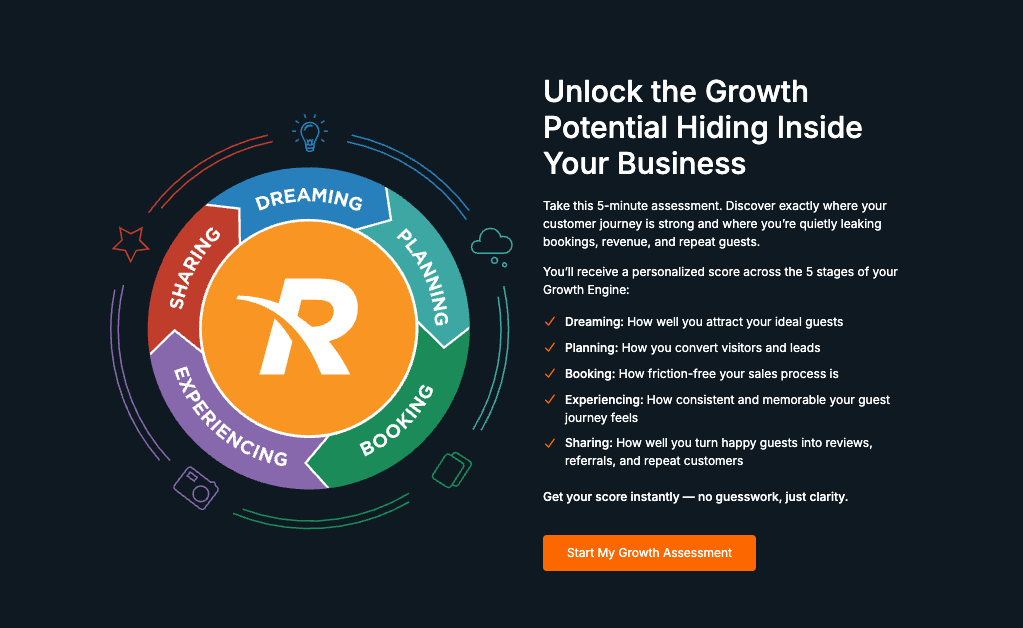
You can take a free 5-minute Growth Gauge assessment to see where your customer journey is strong and where small gaps may be quietly costing you bookings, revenue, or repeat guests.
You’ll receive a personalized score across five stages:
- Dreaming: How well you attract the right guests
- Planning: How effectively your website and follow-up convert interest
- Booking: How smooth and friction-free your sales process feels
- Experiencing: How consistent and memorable the guest journey is
- Sharing: How well reviews, referrals, and repeat bookings are generated
Your score is delivered instantly, with clear insight and no guesswork.
👉 Take the free 5-minute Growth Gauge
https://www.resmarksystems.com/growth-engine-survey
How ResmarkWeb helps tour operators prepare for peak season
Resmark Web works exclusively with tour operators and activity providers. That focus allows us to understand how websites perform under real booking pressure.
Our approach combines:
- Industry-specific website experience
- Seasonal readiness planning
- Performance optimization for traffic increases
- Conversion-focused improvements
- SEO and AI search visibility aligned with traveler behavior
We help operators prepare proactively so their websites scale, convert, and perform when it matters most.
8. Get your website ready before you get busy again
Strong travel periods reward preparation. A well-optimized tour operator website for peak season turns increased interest into confirmed reservations without increasing ad spend.
If you want confidence that your site can support the months ahead, here are a few ways to start:
- Get a Website Readiness Audit
- Book a Website Strategy Call
- Upgrade Your Tour Operator Website
Preparing early helps protect revenue, reduce stress, and create a smoother booking experience for your guests.
Frequently Asked Questions
How can I tell if my tour operator website is ready for busy travel months?
A website is ready when it loads quickly, works well on mobile, and guides visitors clearly through the booking process. If pages stay fast and bookings complete smoothly as site activity increases, your site is likely prepared. A readiness audit can confirm this.
What website problems most commonly cause lost bookings?
Slow page speeds, broken booking steps, poor mobile usability, confusing navigation, and unclear calls to action are the most common causes. These issues become more costly when traveler interest is high.
Do I need a new website before peak season?
Not always. Many operators benefit more from targeted improvements than a full rebuild. Performance tuning, booking optimization, and content updates often deliver faster results with less disruption.
How important is mobile optimization for tour bookings?
Can my website handle higher traffic during busy periods?
Should I update tour pages before activity increases?
Yes. Updating availability, descriptions, and internal links helps attract high-intent visitors and improves visibility in search results and AI-driven recommendations.
How does website optimization improve conversion rates?
Optimization removes friction. Faster pages, clearer calls to action, fewer steps, and stronger trust signals make it easier for visitors to complete bookings when they are ready.
What is included in a website readiness audit?
An audit typically reviews speed, mobile usability, booking workflows, forms, calls to action, and performance under heavier traffic. The goal is to identify issues that could block bookings and prioritize fixes before activity increases.
Travel & Tourism Marketing Blog